Material area: (d) Ferrous and non-ferrous metals
The following page of notes will cover:
- Why metals are finished
- Preparing metals for finishing
- Plastic coating, enamelling, oil finishing black steel, paint and primer
- Protection: ferrous metals rust; non-ferrous metals tarnish or oxidise
- Aesthetics: colour, shine or texture
- Function: grip, insulation, easy cleaning
Preparing the Surface:
- Remove sharp edges and burrs with a file
- Clean off rust and scale with emery cloth or wire wool
- Degrease with a solvent (e.g. white spirit) so the finish sticks
Plastic coating (dip coating):
[Diagram placeholder] Plastic dip coating: heated metal part lowered into a fluidised bath of polymer powder
How it works:
- Clean and degrease the metal
- Heat it in an oven to about 230°C
- Dip it into a fluidised bath of polymer powder
- The powder melts onto the metal; it is then cooled
- Thick, soft, grippy finish
- Electrical and heat insulation
- Good corrosion protection
|
- Thick coating hides detail
- Can be uneven if not heated properly
- Limited colours
|
Uses: Tool handles, wire racks, garden furniture
Enamelling:
How it works:
- Clean the copper or steel
- Sprinkle coloured powdered glass (enamel) onto the surface
- Fire in a kiln at around 800°C until the glass melts and fuses to the metal
- Hard, glossy, hygienic and very durable
- Bright decorative colours
- Heat resistant
|
- Brittle, chips if dropped
- Needs a kiln
|
Uses: Jewellery, cooking pans, signs, badges
Oil finishing black steel:
How it works:
- Heat the clean steel until it is dull red
- Quench it in oil, which burns onto the surface
- Leaves a black oxide layer
- Cheap and simple
- Attractive black finish
- Some rust resistance
|
- Only light protection, needs re-oiling
- Smoky, fire risk
|
Uses: Traditional tools, hooks, blacksmith work
Paint and primer:
How it works:
- Degrease the metal
- Apply a primer (e.g. zinc or red oxide primer) to stop rust and help the paint stick
- Apply undercoat and top coats by brush or spray
- Any colour
- Cheap and easy to apply
- Protects against rust
|
- Chips and scratches, then rust starts
- Solvent fumes
|
Uses: Gates, railings, car bodies, machinery
Other Finishes:
| Powder coating |
Polymer powder sprayed electrostatically then baked, tough even finish |
| Galvanising |
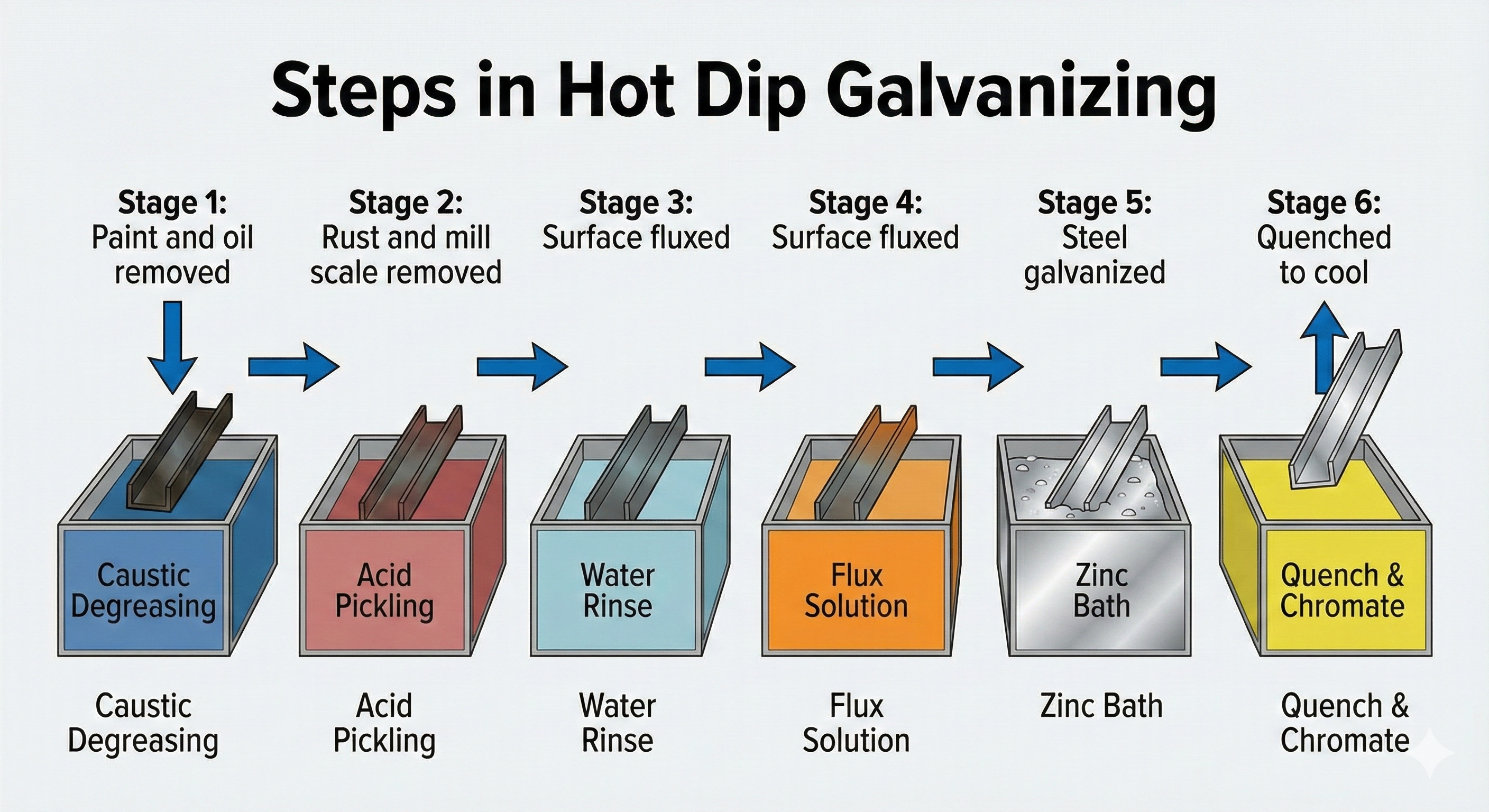
Steel dipped in molten zinc, which protects it outdoors |
| Anodising |
Thickens the oxide layer on aluminium, can be dyed |
| Polishing and lacquering |
Brings out the shine of copper, brass and silver; lacquer stops tarnish |
Topic test:
Interactive flashcards: