Video explainers:
Plating techniques:
- Electro-plating
- Galvanising
- Anodising
- Plating
Paints & applied coatings:
- Cellulose paint
- Acrylic paint
- Dip coating
- Powder coating
- Coating
Sealants & preservatives:
Corrosion prevention systems:
Notes & Diagrams:
Cellulose Paint:
- Quick drying time
- Provides a smooth finish
- Widely available
|
- Not durable outdoors
- Can be affected by weather conditions
|
Uses: Vehicles, machinery, and industrial applications.
Acrylic Paint:
- Flexible
- Good adhesion
- Quick-drying
|
- Prone to scratching
- Less durable than other coatings
|
Uses: Wood, metal, and plastic surfaces.
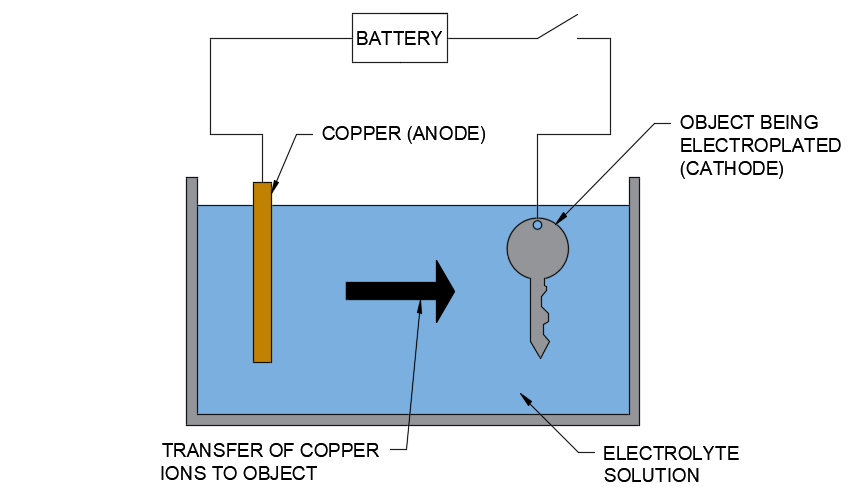
Electro-plating:
How it works:
- A cheap metal is coated onto a metal to protect it
- An electric current is passed through an acidic electrolyte
- The metal being protected (anode) then builds a layer of metal oxide
- Corrosion resistant
- Easy to do
- Improves mechanical properties
- Improves aesthetics appeal
- Cost effective
- Durable finish
|
- Time consuming
- Toxic fumes released
- Non-uniform finish
|
Uses: Spoons, taps, shower heads
Dip Coating:
How it works:
- The product is dipped into a molten polymer or coating substance
- Excess material is removed after dipping
- The coating is then cured by heating
- Provides a uniform coating
- Durable and corrosion-resistant finish
|
- Not suitable for intricate parts
|
Uses: Automotive parts, tools, and fasteners.
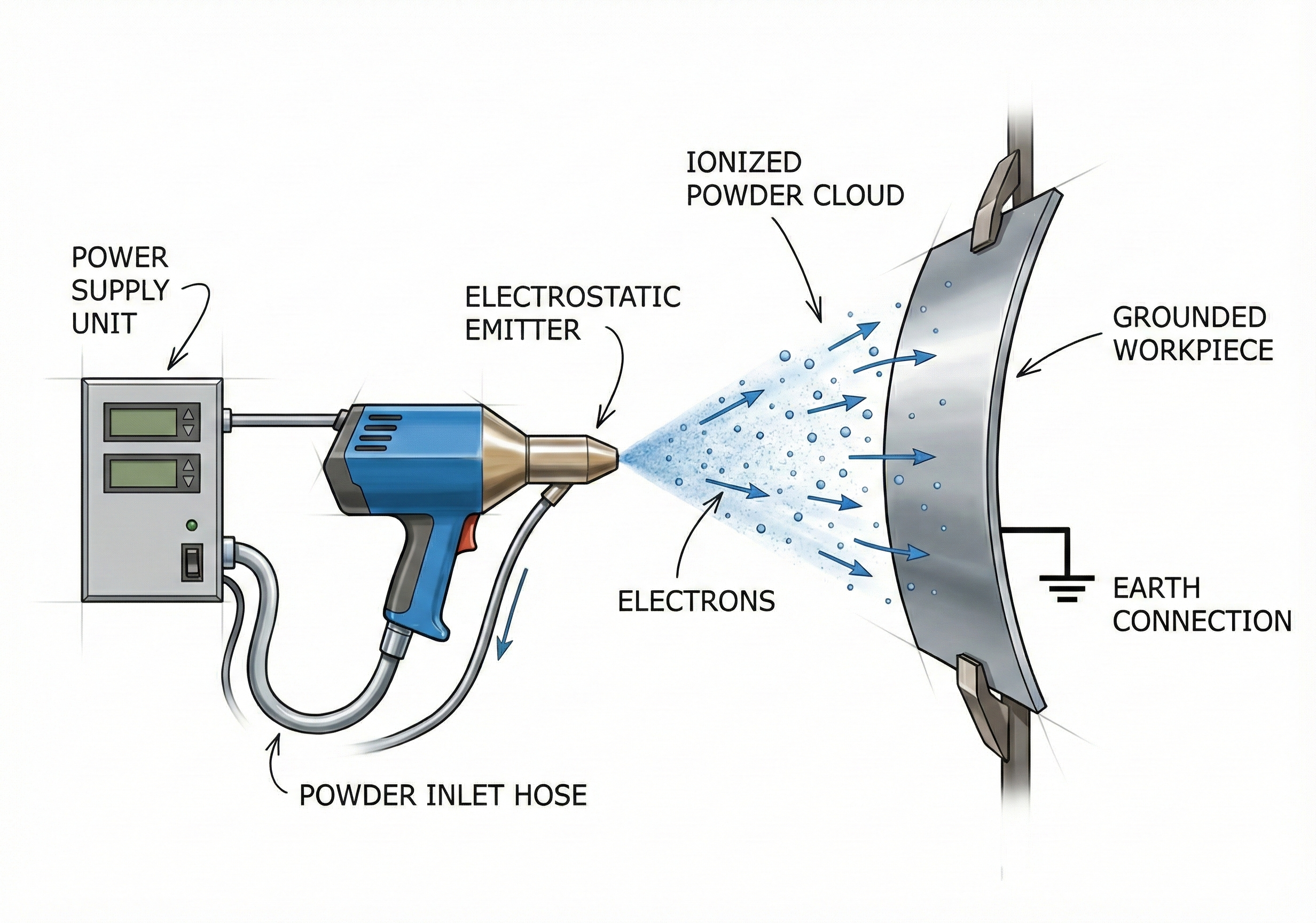
Powder Coating:
How it works:
- The metal is first cleaned and prepared to ensure proper adhesion
- The metal is electrostatically charged
- Powdered polymer is sprayed onto the metal surface
- The coated metal is then heated in an oven (around 180–200°C) to melt and fuse the
powder
- The coating is allowed to cool and harden, forming a durable finish
- Range of colour finishes
- Non-toxic
- Evenly coated finish
- More protective than paint
- Better for environment than paint
|
- Harder to do than paint
- Uses energy/needs energy for heating powder (unlike paint)
|
Uses: Cars, wheel arches
Galvanising:
How it works:
- The metal (usually steel) is dipped into molten zinc
- The zinc reacts with the metal to form a protective coating
- Corrosion resistant
- Low maintenance
- Long-lasting protection
|
- Can be difficult to weld
- Appearance can be uneven
|
Uses: Steel beams, pipes, electrical transmission towers.
Sealants:
- Waterproof finish
- Thermal/acoustical insulation
- Electrical insulation
- Used for simple smoothing/filling
|
- Does not have great strength
|
Uses: Pipe threads, aquariums, roofs, hydraulic systems
Preservatives:
- Extends the lifespan of metal
- Protects against rust and corrosion
- Can enhance appearance with coatings
|
- Some contain harmful chemicals
- Requires proper application (e.g., priming, sealing)
|
Uses: Metal structures exposed to moisture, chemicals, or outdoor conditions
Anodising:
How it works:
- Used to add a coating to aluminium
- An electric current is passed through an acidic electrolyte
- The metal being protected (anode) then builds a layer of aluminium oxide
- Can be done in a range of colours
- Very durable finish
- Hard finish/scratch resistant
- Thin finish - doesn't block holes in product
- Heat resistant finish
|
- Joining/machining can't be done after anodising
- Expensive
|
Uses: Window frames, bike frames
Plating:
- Improves corrosion resistance
- Improves wear resistance
- Improves aesthetics
|
- Not always durable
- Can be costly
|
Uses: Electronics, jewellery, automotive parts
Coating:
- Durable finish
- Corrosion resistant
- Improves appearance
|
- Can be affected by environmental conditions
- Costly in some cases
|
Uses: Aircraft, automotive parts
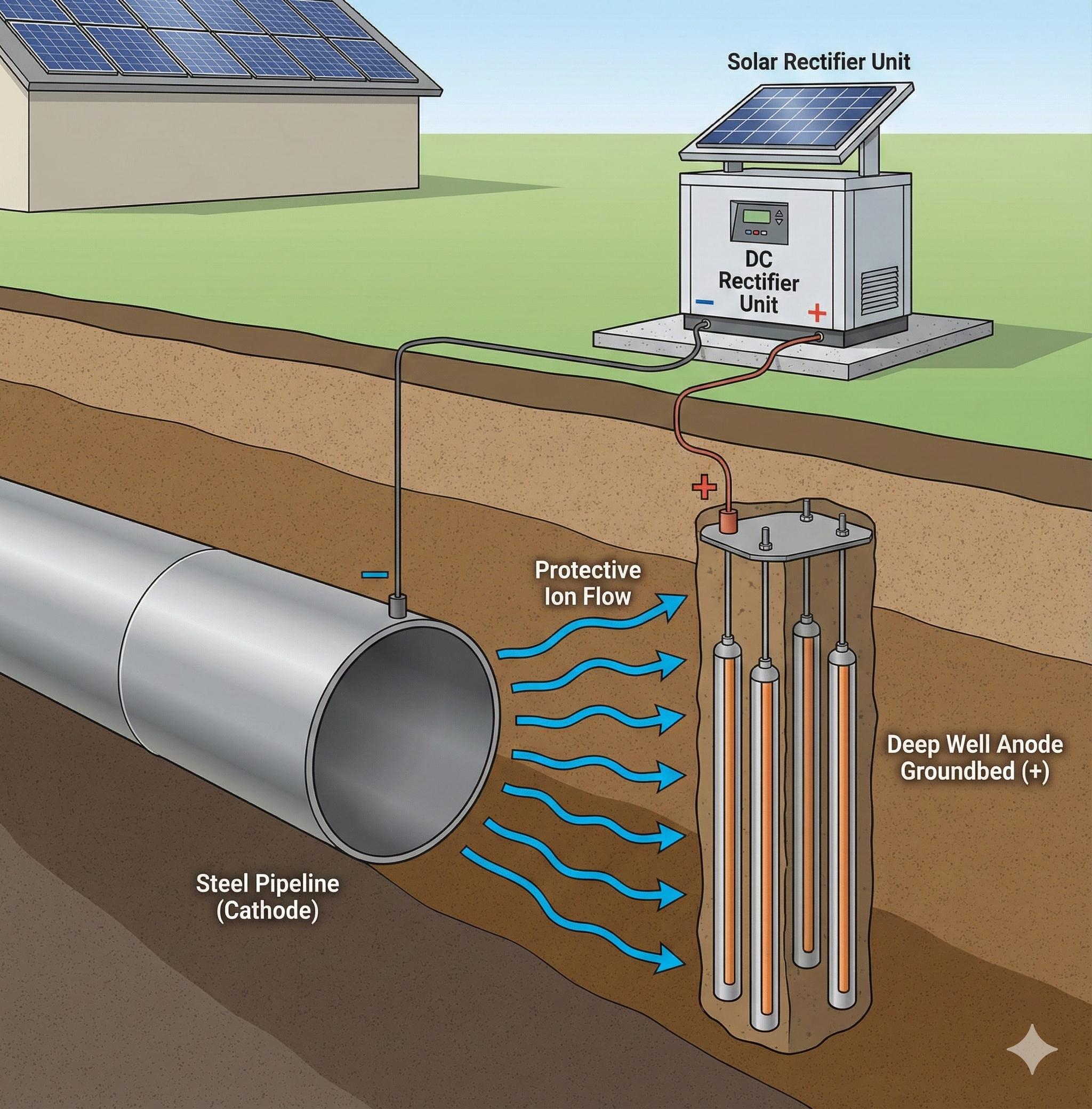
Cathodic protection (Impressed current and sacrifical
anode):
How it works (Impressed current):
- Metal is connected to electric power supply which is connected to a cathode
- The cathode rusts over time whilst the anode (metal being protected) remains intact
How it works (Sacrifical anode):
- A metal which is more reactive is connected to the metal being protected
- The more reactive metal (sacrifical anode) rusts over time whilst the metal being
protected remains intact
- Proetcts structures that are buried in dirt/water
- Greatly increases lifespan of metal being protected
- Cost efficent to run
|
- Hard to install
- Complex to upkeep
- Uses energy/needs connection for impressed current
- Expensive to install
|
Uses: Pipelines, ships, cars
Topic test:
Interactive flashcards: