Materials and their applications
The following page of notes will cover:
- Physical characteristics (Physical properties)
- Mechanical characteristics (Mechanical properties / Working properties)
- Product function
- Aesthetics
- Cost
- Manufacture and disposal
Physical and mechanical characteristics
Physical characteristics
Electrical conductivity:
The Property that lets electrical current flow through a material

Thermal conductivity:
The Property that lets thermal energy flow through a material
Biodegradability:
A material's ability to break down over time as a result of biological activity (being broken down by microorganisms)

Chemical resistance:
A material's ability to withstand chemical attack without being broken down
Corrosion resistance:
A material's ability to withstand rusting from water without being broken down
Mechanical (Working) characteristics
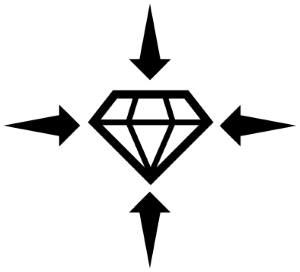
Strength (Tensile, Compressive, Torsional, Shear, Bending):
The ability allowing a material to resist forces from all directions (compressive, tensile, bending, shear, torsional).
Elasticity:
The ability allowing an object or material to reassume its normal shape after being stretched or compressed.

Placticity:
A material's ability to be permanently deformed and retain its deformed shape

Malleability:
A materia's ability to be deformed by compression without being torn / cracked.
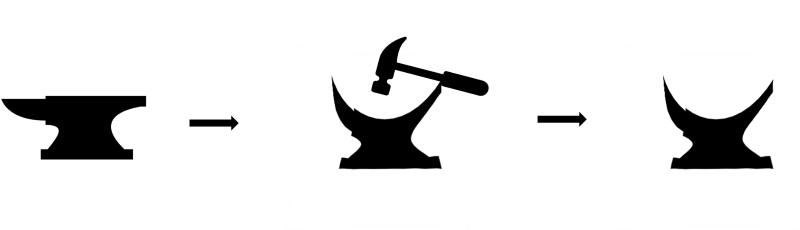
Ductility:
The ability of a material to be drawn/stretched out thin (usually into wires)

Hardness:
A material's ability to withstand indentation / abrasion / scratching.
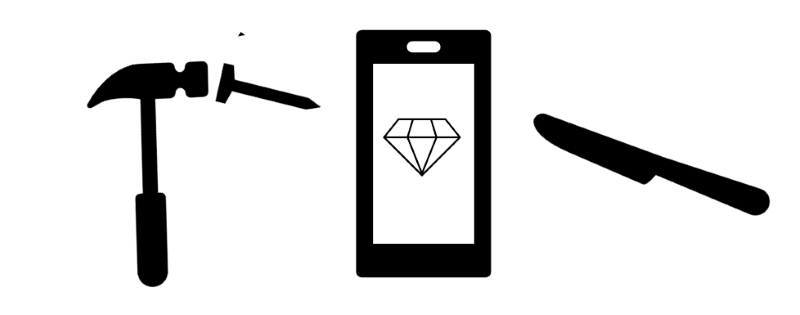
Toughness:
A material's ability to absorb impact force without fracture.
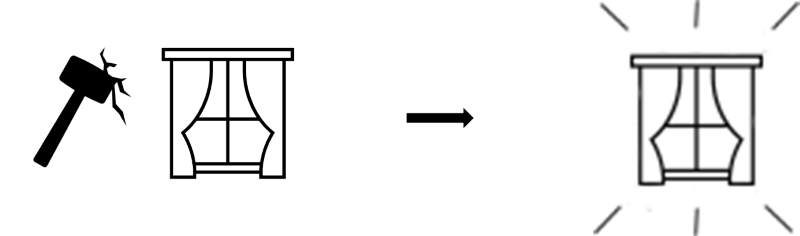
Durability:
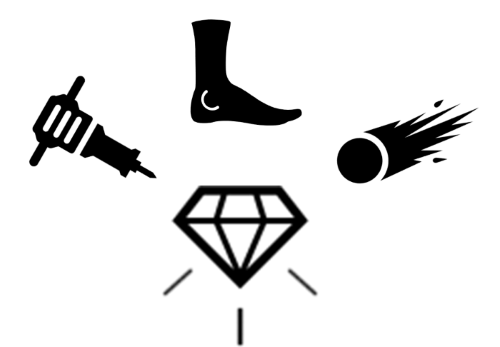
A material's ability to withstand wear, pressure, and damage.
Product Design Considerations
- Good product design balances function, aesthetics, cost, and sustainability.
- Each factor affects usability, manufacturing efficiency, and environmental impact.
| Aspect | Description |
|---|---|
| Product Function |
|
| Aesthetics |
|
| Cost |
|
| Manufacture & Disposal |
|